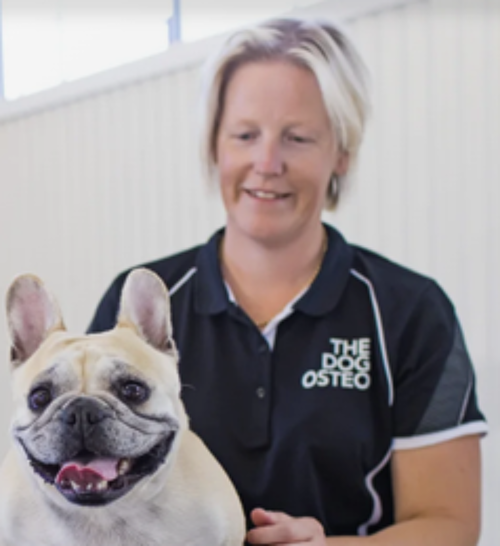
“I'm quite comfortable with basic medical and first aid care for animals but I wanted to feel more confident about recognising early signs of pain in my own pets as well as clients’ pets so I enrolled in the 5Ps course earlier this year to expand my knowledge.
Being an online course with access (continuously) to the tutorials and notes meant I could work the course into my schedule without an issue and revise as often as I wanted to. The quizzes and assessment were all relevant to the course material. Dr Grantham is very knowledgeable, and I found her tutorials easy to follow and her feedback very encouraging. She also offered "little extras" rather than just yes/no responses.
The course is heavily dog centred so as a trainer and pet minder it was right in my wheelhouse. I have a good eye to detect the slightest change in a dog’s demeanour and now I can pinpoint more specifically where the pain might originate from.
Additionally, the course opened up more information regarding therapies for chronic pain that I wasn't aware of - specifically Hyperbaric treatment which I have been attending with three of my dogs (one of which was holding pain but only showing behavioural not neurological signs of having). I recommend this course to others 100%.”
Michelle Hamilton
 Australia

































 New Zealand