Click the image to view the original image
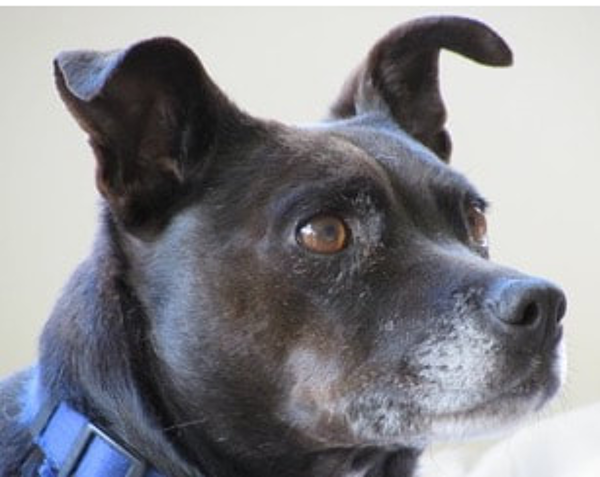
Paco is a 9 year old neutered male terrier mix, 13.6 kg, with a long history of seizures. Paco began having full motor seizures at about 4 years old. The frequency was stable at about 2-3 per month until Paco’s veterinarian began phenobarbital at 34 mg BID. The seizure frequency declined to approximately one monthly. Paco presented to Holistic Veterinary Care after having been on phenobarbital for four years. The reason the owners brought him in was a desire to reduce or eliminate the phenobarbital dosage. Recent bloodwork showed his levels to be in the therapeutic range but his ALP was 450 IU/L and Paco’s veterinarian stated this may be due to the phenobarbital. The owner expressed interest in trying cannabis as a therapy to help with his seizures.
I discussed this at length with the owner with regards to the current research indicating CBD can be helpful in reducing seizure frequency but there isn’t much literature out there regarding cannabis and seizures in dogs. I have had professional experience with dogs using cannabis for seizures and I have found it to be helpful in some cases.
The owner decided to begin cannabis therapy using a broad spectrum hemp-based CBD formula at a dose of 20 mg CBD BID. My instructions to the owner were to maintain the current dose of phenobarbital and begin the CBD and then contact me in 2 weeks to discuss their impressions.
I heard back from the owner about 10 weeks later and they let me know they had cut the phenobarbital dose by ½ one month after starting the hemp formula and then discontinued the phenobarbital one month after that. At the time they called, Paco had been off phenobarbital for 2 weeks with no recurrence of seizures. They also reported he had more energy and seemed to be much happier.
While the owner did not follow my treatment instructions, the results of the CBD formula are impressive. At two weeks post phenobarbital, it was too soon to know for sure if the dog would remain seizure free without the medication and I instructed the owner to monitor closely. At present, Paco is 6 weeks post discontinuing phenobarbital and has not had a seizure. The owner will continue to administer the CBD product and monitor closely.