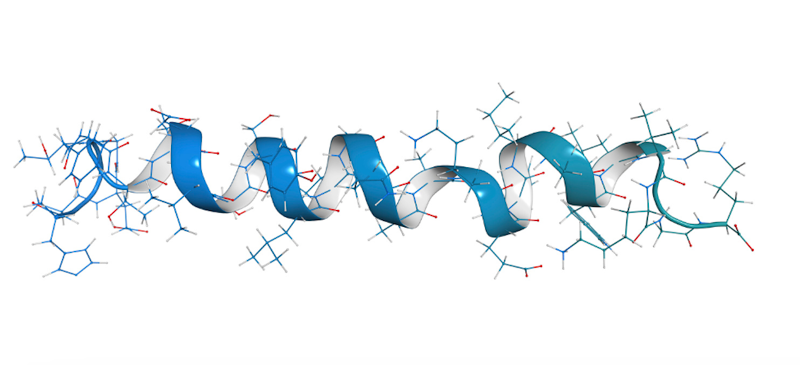
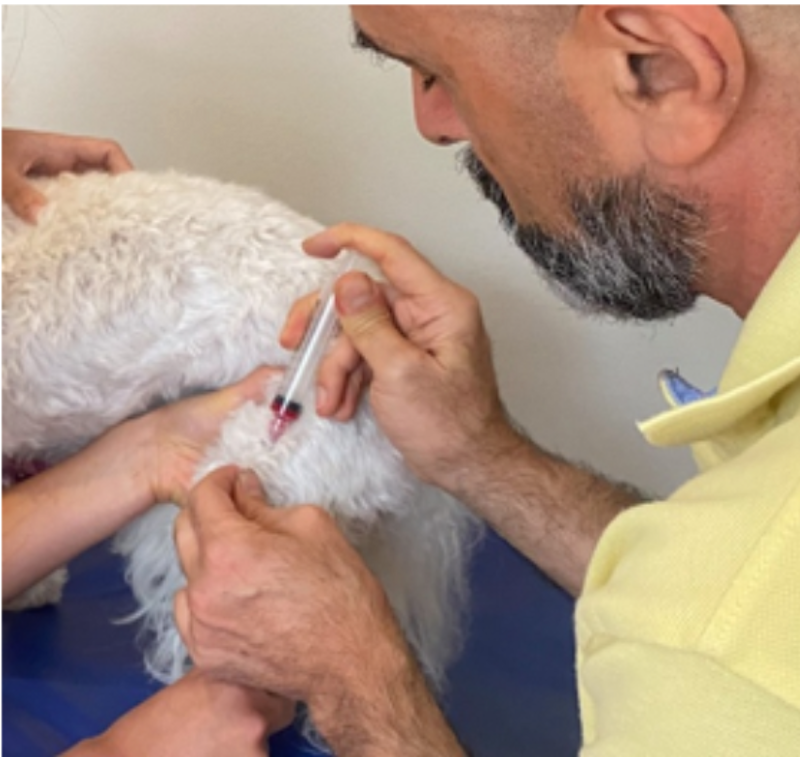
This presentation examines the systemic, whole-body health consequences of routine spaying and neutering in dogs, with a focus on the chronically elevated luteinizing hormone (LH) that follows gonadectomy and the broad distribution of LH receptors throughout non-reproductive tissues.
Drawing on more than fifty peer-reviewed studies, Dr Peter Dobias will trace the origins of routine gonadectomy, present the mechanism by which the loss of negative feedback on the hypothalamic-pituitary-gonadal axis drives systemic disease, and review the cancer, orthopedic, metabolic, behavioral, and cognitive consequences now documented in the literature.
He will also introduce the 2024 WSAVA Global Guidelines for the Control of Reproduction in Dogs and Cats, and the published clinical framework for hormone replacement therapy in neutered dogs (testosterone cypionate plus deslorelin acetate / Suprelorin) developed by Brent, Lissner, and Kutzler, and the surgical alternatives — ovary-sparing spay and vasectomy — that preserve gonadal hormone production.
You will leave this session equipped to discuss these options with clients, identify patients who may benefit from HRT, and integrate hormone-sparing approaches into your clinical practice.